
Adventure Active Tourism
Step into event planning designed for tourism professionals. This program walks through real scenarios, practical frameworks, and the kind of preparation that makes complex events manageable.
Get in Touch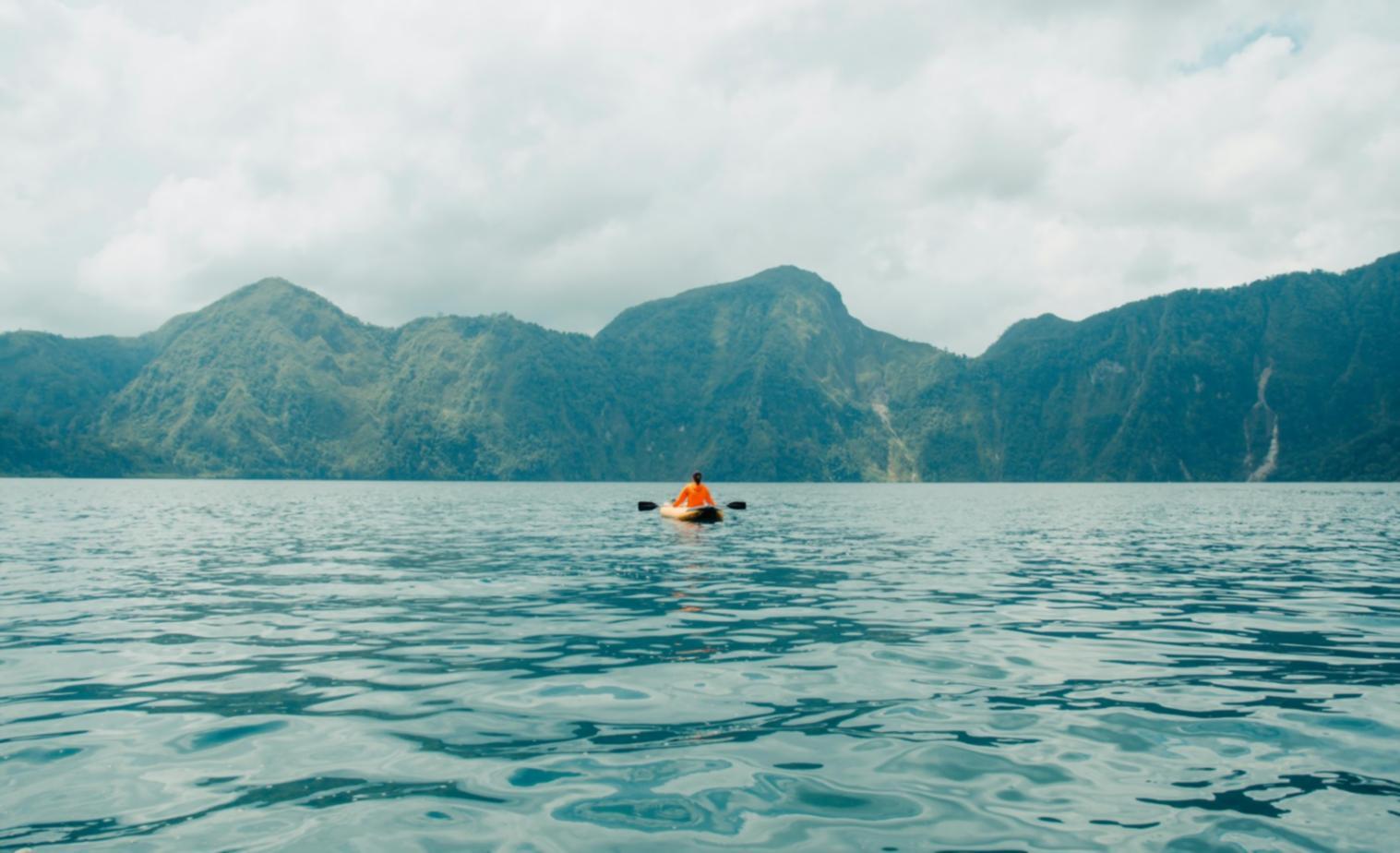
Per person for 10-day program, includes all technical equipment, certified guides, backcountry camping, and emergency evacuation insurance
What the Program Covers
Activity Program
- Skills assessment and physical conditioning recommendations before departure
- Multi-day trekking expedition across Carpathian mountain ranges
- Whitewater kayaking instruction progressing from Class II to Class IV rapids
- Rock climbing sessions on established sport routes with qualified instructors
- Canyoning descents involving rappelling and water navigation
- Mountain biking on technical trails with elevation challenges
- Navigation training using topographic maps and GPS systems
- Wilderness first aid scenarios and emergency response procedures
Equipment and Safety
Professional-grade gear provision, safety equipment including helmets and harnesses, certified guides with wilderness medicine training, and satellite communication devices for remote areas.
Learning Structure
We built this course around case studies from actual tourism events. You'll work through venue selection, budget constraints, vendor coordination, and guest experience design.
Each module includes interactive quizzes that test decision-making under realistic constraints. Instant feedback helps you understand what works and why certain approaches fail.
Full Description
Adventure tourism combines physical exertion with technical skill development in natural settings that require navigation, risk assessment, and environmental adaptation. Ukraine's Carpathian ranges offer multi-day trekking routes with elevation gains exceeding 1000 meters, while rivers provide whitewater conditions suitable for kayaking and rafting across difficulty grades. Rock formations in canyon systems attract climbers working on routes established over recent decades as sport climbing infrastructure expanded.
Participants develop competencies in route planning, weather interpretation, and equipment management while moving through terrain that demands sustained physical effort. Mountain guides with rescue certifications lead groups across ridgelines and through forests where trail conditions vary with seasonal weather. River expeditions require understanding of hydraulics, eddy lines, and safety protocols for navigating rapids and reversals. Climbing instruction covers anchor systems, belay techniques, and movement efficiency on vertical rock faces. Overnight camps in remote locations use lightweight equipment and leave-no-trace practices. Physical preparation proves essential, as daily activity levels significantly exceed typical tourist experiences. Safety briefings address objective hazards including weather changes, terrain features, and wildlife encounters, with contingency plans for medical situations requiring evacuation from backcountry locations.